Firsthand Calligraphy: A Designer's Review
The First Impression of Firsthand Calligraphy
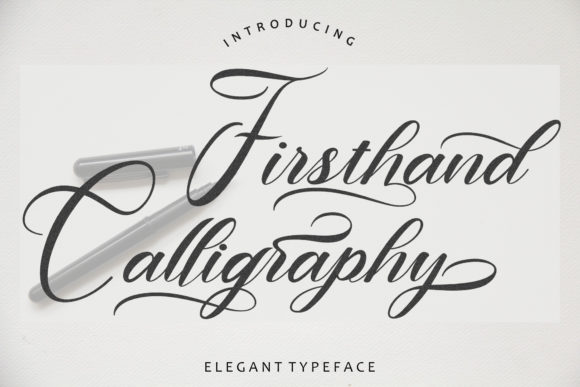
When I first laid eyes on Firsthand Calligraphy, it immediately struck me as a typeface with a distinct personality. The letters flow gracefully, creating a mood that is both elegant and approachable. This script font has a natural, almost spontaneous feel, making it perfect for projects that require a touch of personal, handcrafted charm.
Visual Personality and Project Suitability
Firsthand Calligraphy exudes a warm, inviting vibe, which makes it ideal for branding, especially for businesses that want to convey a sense of authenticity and creativity. It’s a premium font that can elevate the visual identity of a brand, making it stand out in a crowded market. Whether you’re designing a logo, packaging, or product labels, this typeface adds a unique, memorable touch.
Performance in Real-Life Design Situations
In real-world applications, Firsthand Calligraphy holds its own. For logo design, it can be a standout choice, particularly for brands that value a personal, artisanal feel. In brand identity work, it can be used effectively in business cards, stationery, and other collateral to create a cohesive and distinctive look.
- Packaging Design: Perfect for premium packaging, where the handwritten quality can add a luxurious yet accessible feel.
- Product Labels: Ideal for artisanal products like gourmet foods, handmade soaps, or boutique wines.
- Posters and Flyers: Adds a dynamic, eye-catching element, especially when used for events or promotions that need a creative, engaging touch.
- Invitations and Stationery: Suits wedding invitations, formal event announcements, and high-end stationery, where elegance and personalization are key.
Web and Digital Applications
For web design, Firsthand Calligraphy can be a powerful tool. Use it for website headers, blog graphics, and social media graphics to create a strong visual impact. It’s also suitable for digital ads, where a bold, memorable typeface can help grab attention. In editorial design, it can be used for magazine covers, feature articles, and other editorial elements to add a touch of sophistication.
Using Firsthand Calligraphy Carefully
While Firsthand Calligraphy is versatile, it’s important to use it judiciously. It works best for large headlines, short phrases, and decorative accents. For longer text, consider pairing it with a more readable sans serif font or a clean serif font to maintain clarity and readability.
Practical Designer Notes
Here are some practical tips for using Firsthand Calligraphy effectively:
- Test in Black and White: Before applying color, test the font in black and white to ensure it stands on its own.
- Check Small-Size Readability: Ensure it remains legible at smaller sizes, especially if used in fine print or detailed designs.
- Real Mockups: See how it looks on actual mockups of your project, whether it’s a packaging design or a web page.
- Uppercase and Lowercase: Compare the appearance of uppercase and lowercase letters to see which suits your project better.
- Spacing and Kerning: Adjust the spacing and kerning to achieve the desired balance and flow.
- Font Pairing: Experiment with different combinations, such as a modern sans serif font or a classic serif font, to find the right harmony.
- Commercial Licensing: Always check the commercial licensing before using it for client or business projects to avoid any legal issues.
Impact on Brand Consistency and Audience Engagement
Firsthand Calligraphy can significantly enhance brand consistency and audience trust. Its unique style helps in building recognition and a strong, professional image. The font’s visual mood is engaging, making it an excellent choice for projects that aim to connect emotionally with the audience. Whether it’s a digital product or a printable design, this typeface can add a layer of professionalism and creativity.
Final Thoughts
Firsthand Calligraphy is a creative font that offers a lot of potential for designers, brand owners, and marketers. Its elegant, handwritten style makes it a valuable addition to any design toolkit. By using it thoughtfully and considering its strengths and limitations, you can create impactful, memorable designs that resonate with your audience.